Nic M.
Optimize Your Home: Best Practices for Furnace Upkeep

Furnace maintenance best practices for Wichita homeowners include seasonal inspections, regular filter changes, and airflow checks before freezing temperatures hit. G.M. Air Conditioning & Heating, rated 5/5 on Google with over 100 reviews, recommends professional tune-ups each fall to catch small issues, prevent breakdowns, and keep furnaces running efficiently through harsh Kansas winters.
Why does furnace maintenance matter in Wichita?
Wichita winters bring freezing temperatures and high energy demand that put serious strain on home heating systems. Skipping routine furnace maintenance during these cold months leads directly to reduced efficiency, higher utility bills, and unexpected breakdowns at the worst possible time.
What happens when a furnace runs without maintenance in a Kansas winter?
A neglected furnace works harder to produce the same heat. The system consumes more fuel, driving monthly energy costs upward. Components wear faster under this extra strain, shortening the equipment's usable life by years. For Wichita homeowners, a mid-January breakdown means calling for emergency service during peak demand, when wait times stretch and repair costs climb.
How does professional furnace upkeep prevent costly failures?
Certified technicians catch small problems before they become expensive emergencies. A thorough inspection covers:
Burner and heat exchanger cleaning to prevent carbon monoxide risks
Blower motor and belt inspection to maintain proper airflow
Thermostat calibration for accurate temperature control
Safety switch and limit control testing to ensure automatic shutoff
G.M. Air Conditioning & Heating has served Wichita since 2006, providing certified technicians who follow these [Best Practices for Furnace Upkeep](https://www.gmairwichita.com/heating-furnace-maintenance). The company's commitment to transparent service means homeowners receive honest assessments without pressure for unnecessary repairs. Regular maintenance transforms an unpredictable heating system into a reliable one, keeping homes warm through the harshest Kansas cold snaps.
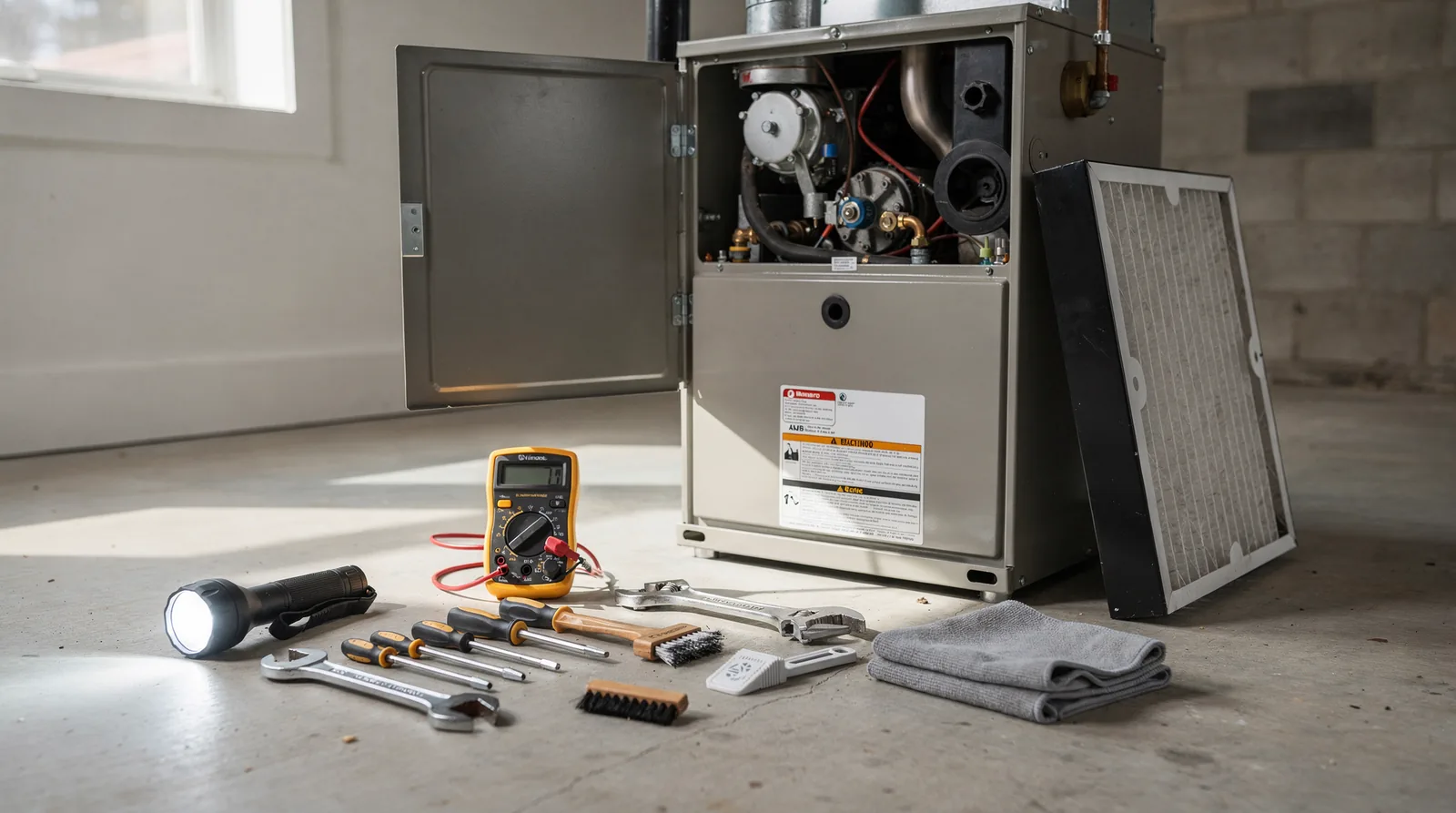
What tools do you need for furnace upkeep?
A complete winter HVAC maintenance checklist comes down to two categories: what homeowners handle themselves and what a professional should inspect. The right tools for furnace upkeep depend entirely on which category a task falls into. Homeowners need only basic household items for routine tasks, while professional-grade equipment requires certified technicians.
What basic tools can homeowners use for furnace maintenance?
For the do-it-yourself portion of furnace care, homeowners need a few simple items. A vacuum with a brush attachment removes dust and debris from around the furnace base and blower compartment. A screwdriver set allows access to filter panels and inspection doors. The most critical tool is a new air filter — installing pleated MERV 8-13 filters improves airflow and catches dust effectively. A flashlight helps inspect visible components for cracks, rust, or unusual wear.
What professional tools do HVAC technicians bring?
Certified technicians arrive with specialized equipment that homeowners do not own. These tools include combustion analyzers to measure gas burner efficiency, manometers to check gas pressure, and multimeters to test electrical components. Technicians also use infrared thermometers to verify temperature differentials across the heat exchanger. G.M. Air Conditioning & Heating provides 24/7 emergency services for urgent heating challenges, dispatching technicians with a full toolkit to diagnose and resolve issues on the first visit. The company values transparent and honest service with a strong commitment to customer satisfaction, ensuring homeowners understand exactly what each tool does and why it matters for system performance.
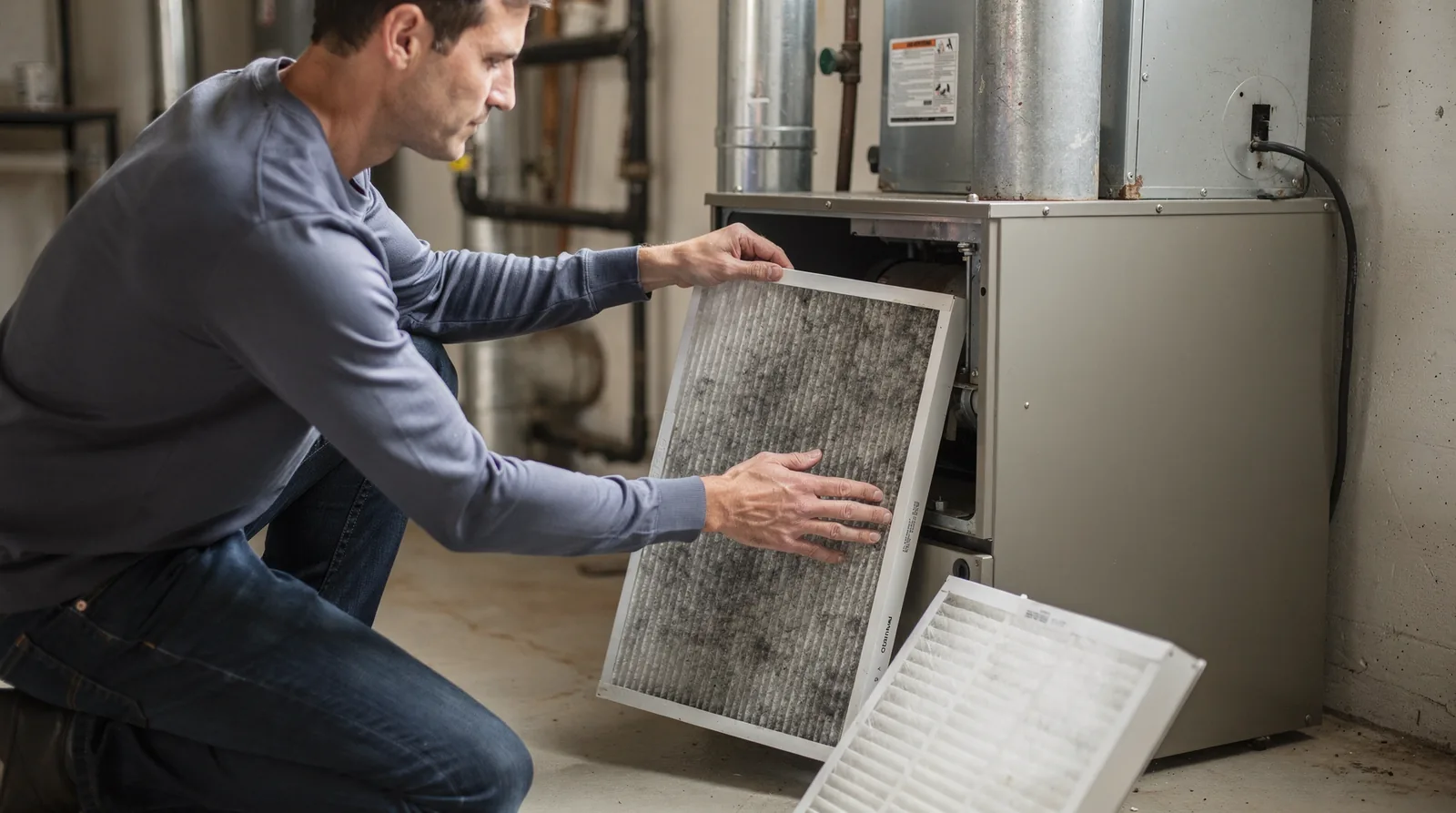
How do you inspect and change furnace filters?
Inspecting and changing furnace filters is one of the most critical winter HVAC maintenance tasks for keeping a Wichita home warm, safe, and energy efficient. A dirty filter forces the heating system to work harder, which increases energy consumption and raises the risk of a mid-winter breakdown. Homeowners should check their filter monthly during the heating season. Replace it when it appears clogged with dust and debris.
Step-by-step filter inspection and replacement
Turn off the furnace at the thermostat and the main power switch before opening the access panel.
Locate the filter slot — typically inside the blower compartment or in a return air grille on the wall or ceiling.
Remove the existing filter and hold it up to a light source. If light barely passes through or the filter feels heavy with dust, replacement is necessary.
Check the filter size printed on the cardboard frame (e.g., 16x20x1 inches) and purchase the exact dimensions.
Insert the new filter with the arrow on the frame pointing toward the furnace blower — this ensures proper airflow direction.
Close the access panel securely and restore power to the system.
How often should furnace filters be changed in Wichita?
Standard 1-inch disposable filters require replacement every 30 to 90 days. Homes with pets, smokers, or occupants with allergies need changes closer to the 30-day mark. Annual maintenance from a certified technician helps improve efficiency, reduce the risk of unexpected breakdowns, and extend the lifespan of the equipment. G.M. Air Conditioning & Heating staffs certified technicians trained to handle all heating and cooling needs, ensuring the system operates reliably through Kansas winters.
What happens when a furnace filter is left unchanged?
A neglected filter restricts airflow, causing the furnace to overheat and cycle on and off more frequently. This strain shortens the equipment's life and can trigger safety limit switches that shut the system down entirely. Customers are assured of expert workmanship without overcharging, backed by a locally owned business's commitment to community service — making professional filter checks a smart investment for Wichita homeowners.
What professional checks should you schedule annually?
Annual professional service keeps a home’s heating and cooling system running efficiently through Wichita’s extreme seasons. Most air conditioning systems should be professionally serviced at least once per year. Without regular maintenance, small issues develop into larger problems that cost more to repair. A certified technician catches these problems early, preventing emergency breakdowns during a Kansas cold snap or summer heat wave.
What does a professional furnace inspection include?
A thorough inspection covers the heat exchanger, burner assembly, and gas connections. The technician checks for cracks, corrosion, or carbon monoxide leaks. They also test the thermostat calibration and measure temperature rise across the system. Cleaning the blower wheel and replacing the air filter restores proper airflow, which directly improves heating efficiency.
How often should a homeowner schedule HVAC maintenance?
Best Practices for Furnace Upkeep recommend scheduling a professional tune-up once in the fall before heating season and once in the spring before cooling season. This twice-per-year schedule aligns with the demands of Wichita’s climate. G.M. Air Conditioning & Heating provides fast, reliable, and transparent HVAC services to meet this schedule. The company prides itself on a perfect 5-star Google rating, showcasing high customer satisfaction from local homeowners who trust this routine.
Schedule a fall furnace inspection — catches issues before the first freeze.
Schedule a spring AC tune-up — prepares the system for summer demand.
Change air filters monthly — maintains airflow between professional visits.
Keep outdoor units clear — removes debris that blocks airflow and strains the system.
How can you avoid common furnace mistakes?
Many Wichita heating systems fail during the first cold snap, and those failures usually stem from fixable problems. Homeowners who skip basic preparation often face emergency repairs on the coldest night of the year. A few straightforward actions prevent these breakdowns and keep heating costs under control.
What basic maintenance prevents the most furnace failures?
Changing the air filter regularly tops the list of Best Practices for Furnace Upkeep. A clogged filter forces the blower motor to work harder, reducing airflow and causing the heat exchanger to overheat. This single oversight triggers more service calls than any other issue during Wichita winters.
Replace or clean filters every 30-60 days during heating season. Pleated filters with MERV 8-13 ratings catch more dust without choking airflow.
Keep supply and return vents clear of furniture, drapes, and rugs. Blocked vents create backpressure that mimics a failing compressor or blower motor.
Schedule a professional inspection before December. A certified technician catches loose electrical connections, cracked heat exchangers, and dirty burners before they cause a mid-January shutdown.
Why do homeowners mistake minor issues for major failures?
Dirty blower wheels reduce airflow so dramatically that homeowners often panic over a dead compressor. The real culprit is often just a few millimeters of dust packed into the blower wheel. G.M. Air Conditioning & Heating offers furnace repair and maintenance services that address these hidden problems. The company’s friendly, personable approach helps Wichita homeowners understand what their system actually needs. No unnecessary repairs, just honest solutions that save money and avoid future problems.
FAQ
When should Wichita homeowners schedule furnace maintenance?
G.M. Air Conditioning & Heating recommends professional tune-ups each fall, before freezing temperatures arrive, to catch small issues before they turn into breakdowns during peak winter demand.
How often should furnace filters be replaced in Wichita?
Standard 1-inch disposable filters should be replaced every 30 to 90 days during the heating season. Homes with pets, smokers, or allergy sufferers should change filters closer to the 30-day mark to maintain airflow and efficiency.
What does a professional furnace inspection include?
A professional inspection covers the heat exchanger, burner assembly, and gas connections, checking for cracks, corrosion, or carbon monoxide leaks. Technicians also test thermostat calibration, measure temperature rise, clean the blower wheel, and replace the air filter to restore proper airflow.
What happens if I skip furnace maintenance?
A neglected furnace works harder to produce the same heat, driving up energy bills and wearing down components faster. This raises the risk of a mid-winter breakdown, often forcing homeowners to call for emergency service during Wichita's peak heating demand.
Does G.M. Air Conditioning & Heating offer emergency furnace service?
Yes. G.M. Air Conditioning & Heating provides 24/7 emergency services for urgent heating issues, dispatching certified technicians with the tools needed to diagnose and resolve problems on the first visit.
Conclusion
In closing, furnace maintenance protects your investment and keeps your Wichita home warm when you need it most. By following these best practices—regular filter changes, professional inspections, and prompt repairs—you extend your system's lifespan and avoid costly breakdowns. G.M. Air Conditioning & Heating stands ready to support your maintenance efforts with certified technicians who deliver expert service and transparent pricing. Trust a locally owned company that has served your community since 2006, committed to your comfort and peace of mind year-round.
Call us Today


